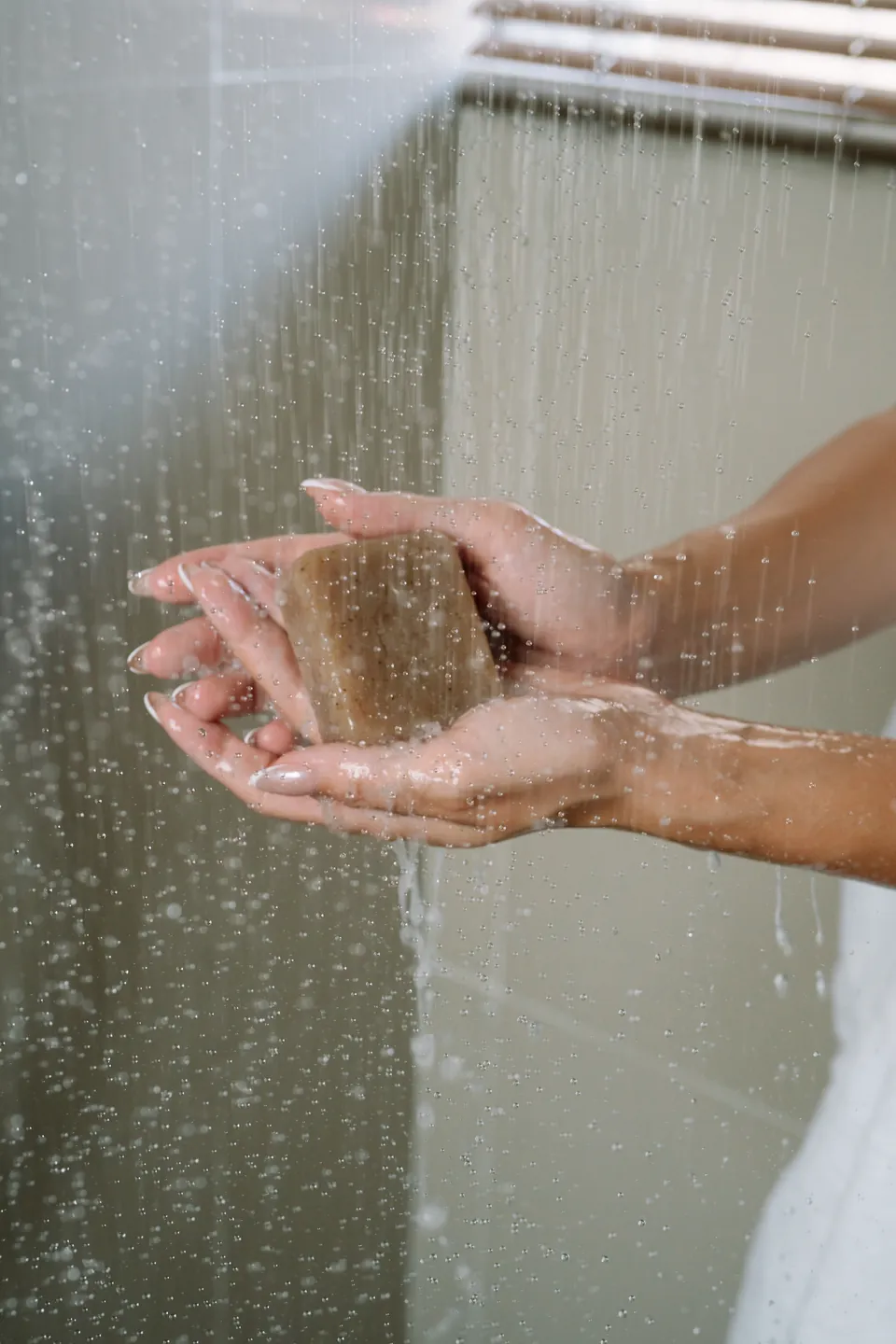
Why Does My Skin Feel Dry After a Shower? Causes and 6 Tips
Skin feeling tight and itchy after a shower? Here's why, from hot water to harsh soap, plus 6 bathing habits that help keep your skin moisturised.
Read article L'Âme de BaliThe Soul of Bali
Skin Care
Your skin feels rough, flaky and itchy. Is it simply dry skin, or eczema? The two are often confused, yet caring for them isn't always the same.
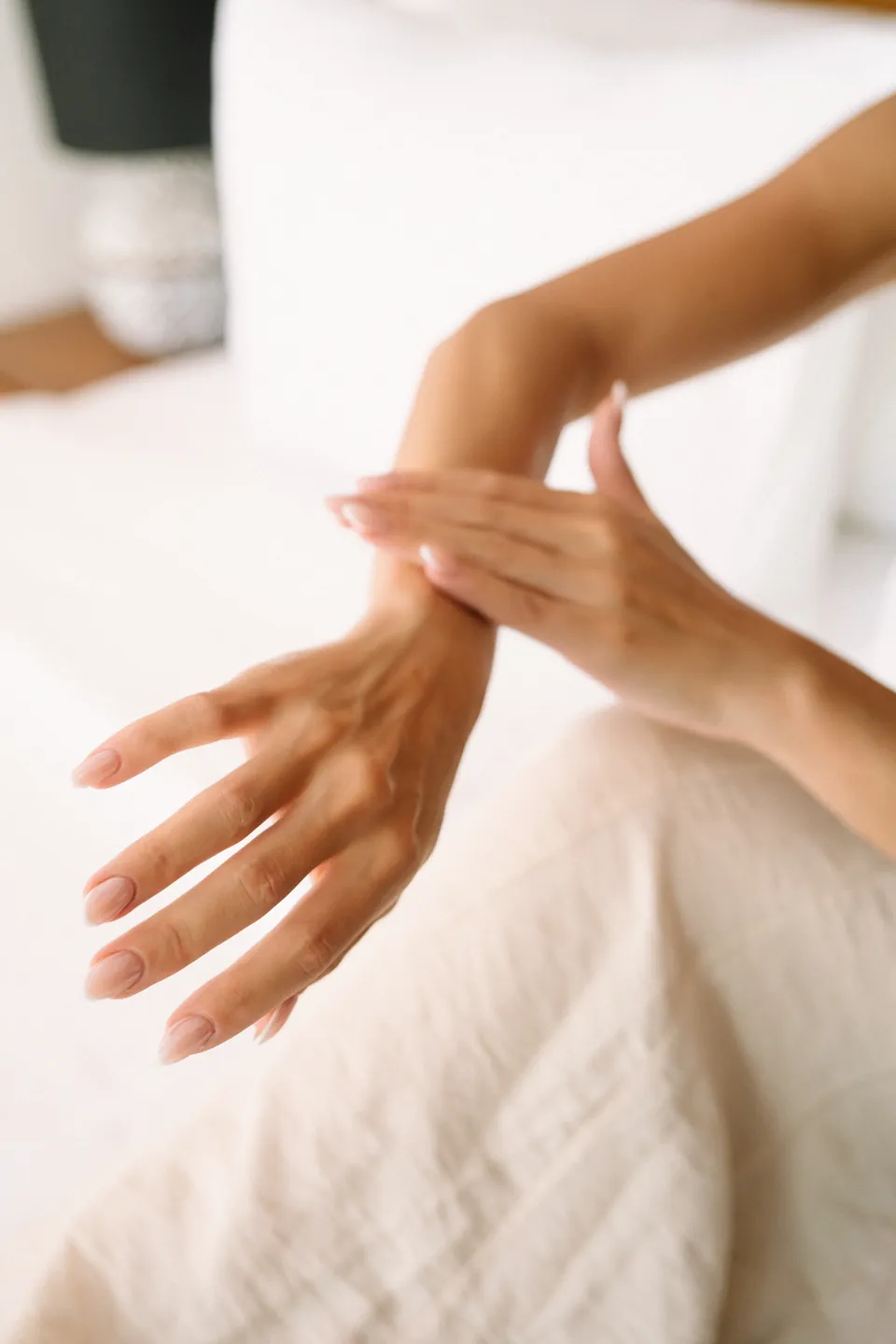
Dry skin, medically called xerosis, happens when the outer layer of the skin loses too much water and natural oil. The causes can be external, such as dry air, air conditioning, hot showers or harsh soap. They can also be internal: as we age, skin produces less natural oil and dries out more easily.
The signs: skin feels tight, rough and dull, with fine flaking and sometimes mild itching. The areas that dry out most often are the shins, arms, backs of the hands, elbows and heels.
Eczema, or atopic dermatitis, is a long-lasting skin inflammation that tends to flare up and settle down. In eczema-prone skin, the skin barrier is more easily disturbed, so skin is drier and reacts more to triggers such as soap, sweat, heat, dust or stress.
Eczema often starts in childhood and is more common in people with a history of allergies, asthma or a family member with eczema. Eczema is not contagious.
| Dry skin | Eczema | |
|---|---|---|
| Cause | Skin lacks water and natural oils | Skin inflammation, often linked to genetics and allergies |
| Itch | Mild to moderate | Often intense, especially at night |
| Appearance | Rough, finely flaky, dull | Red or darker patches that may thicken, weep or crust |
| Where | Shins, arms, hands, heels | Inside elbows and knees, neck, face, hands |
| Pattern | Fairly constant, worse in dry air | Comes and goes (flares) |
| Care | Moisturiser and better bathing habits | Regular moisturiser, plus a doctor's treatment during flares |
On brown and darker skin, eczema doesn't always look red. Patches can appear darker, purplish or greyish.
Different as they are, both share one need: a healthy skin barrier. So the basic habits are similar:
Read the full explanation in Why Does My Skin Feel Dry After a Shower?
Dry skin and eczema both ask for patience: gentle care, every single day.
A body oil forms a thin layer on the skin's surface that helps hold moisture in. L'Âme de Bali Herbal Body Oil is made from coconut oil slowly infused with 108 botanicals, and helps keep dry, rough and eczema-prone skin moisturised. For eczema-prone skin, patch test on a small area first.
A body oil is a cosmetic for everyday care, not a replacement for a doctor's treatment during an eczema flare. Our guide to choosing one is in How to Choose a Natural Body Oil for Dry Skin.
Skin feeling tight and itchy after a shower? Here's why, from hot water to harsh soap, plus 6 bathing habits that help keep your skin moisturised.
Read article
An itch that's worse at night isn't always dry skin. Learn the signs of scabies, how it spreads, when to see a doctor, and 5 traditional Indonesian skin-care plants.
Read article
Looking for the best herbal oil from Bali, for yourself or as a souvenir? Here are 7 things to check: BPOM registration, ingredients, process, texture and where to buy.
Read article