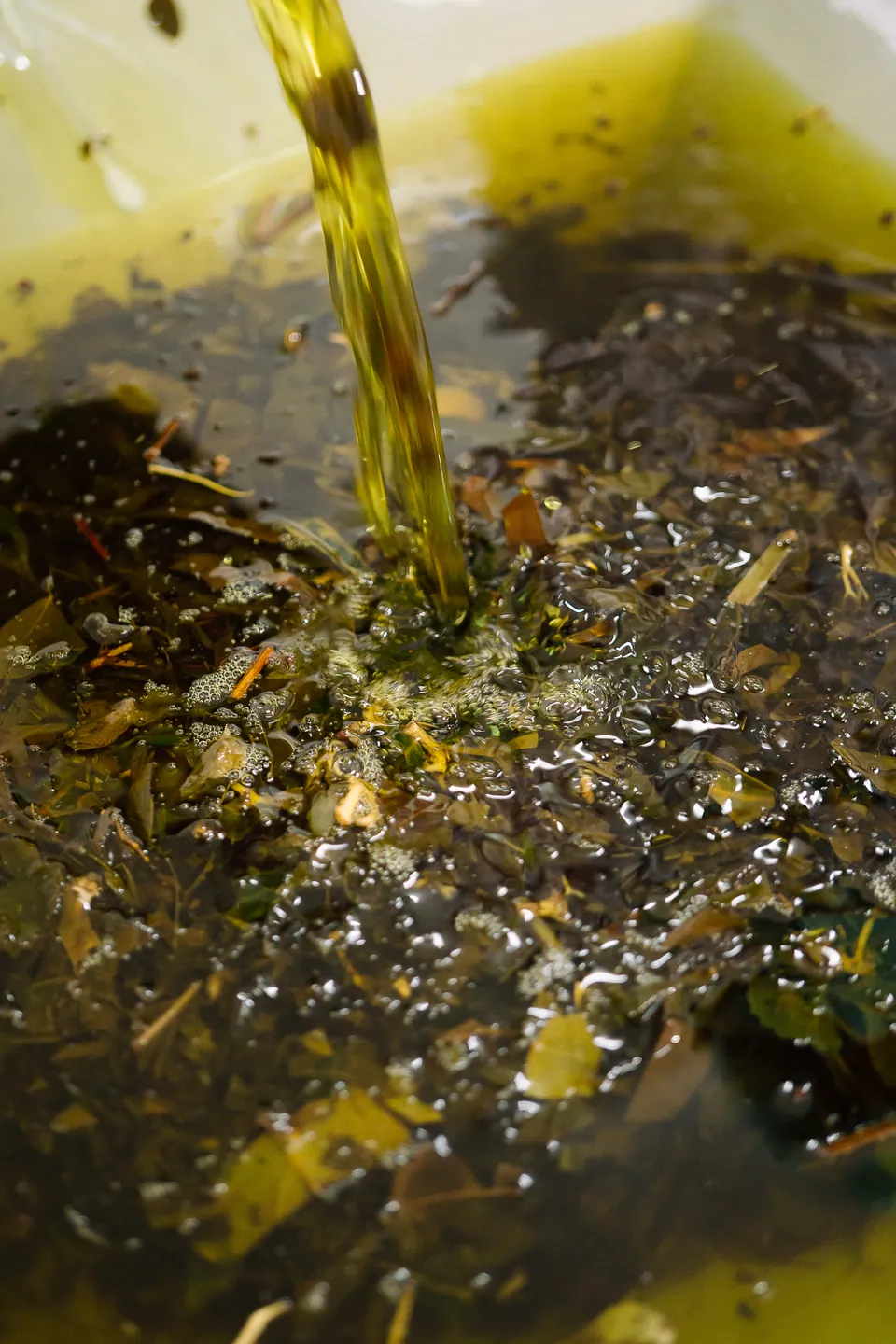
Best Herbal Oil from Bali: 7 Things to Check Before You Buy
Looking for the best herbal oil from Bali, for yourself or as a souvenir? Here are 7 things to check: BPOM registration, ingredients, process, texture and where to buy.
Read article L'Âme de BaliThe Soul of Bali
Skin Care
An itch that won't go away can be exhausting. Many people try all kinds of remedies, yet itching has many different causes. Scabies and dry skin are both itchy, but they need very different care.
Scabies is caused by a tiny mite called Sarcoptes scabiei, which burrows into the top layer of the skin and lays eggs there. The body reacts to the mites, causing intense itching.
Scabies spreads through prolonged, close skin contact, such as sharing a bed, and through shared bedding, towels or clothing. Anyone can get scabies, and it is not a sign of poor hygiene.
| Scabies | Dry skin | |
|---|---|---|
| Cause | The Sarcoptes scabiei mite | Skin lacks water and natural oils |
| Contagious | Yes, through skin contact and shared items | No |
| Itch | Intense, worse at night | Mild to moderate |
| Appearance | Small bumps, thin wavy lines, scratch marks | Rough, finely flaky, dull |
| Where | Between fingers, wrists, waist, skin folds | Shins, arms, hands, heels |
| Care | Medicine from a doctor, often for the whole household | Moisturiser and better bathing habits |
Scabies won't go away with moisturisers, oils or herbal remedies. A doctor will usually prescribe a cream or medicine that kills the mites. Often everyone in the household needs to be treated at the same time so they don't reinfect each other.
During treatment, wash sheets, pillowcases, towels and clothing in hot water and dry them in the sun. Items that can't be washed can be sealed in a plastic bag for at least three days.
Itching can continue for a few weeks after treatment ends. Follow your doctor's advice, and go back if the itching doesn't ease.
Indonesians have long used the plants around their homes to care for their skin. The five plants below are among the 108 botanicals in L'Âme de Bali Herbal Body Oil. Their role in our product is everyday skin care, not treating scabies or any other skin disease.
See every botanical and its benefits under Ingredients & Benefits, or read why we use 108 botanicals.
Tradition teaches us how to care for our skin. Doctors help us treat it. Each has its place.
Scabies treatment and repeated scratching can leave skin dry and rough. Once your doctor confirms treatment is complete and there are no open wounds, you can return to simple care: bathe with a gentle soap, then apply a body oil or moisturiser while your skin is still damp.
Don't apply any oil to broken, weeping or infected skin without a doctor's advice. Our bathing tips are in Why Does My Skin Feel Dry After a Shower?
Looking for the best herbal oil from Bali, for yourself or as a souvenir? Here are 7 things to check: BPOM registration, ingredients, process, texture and where to buy.
Read article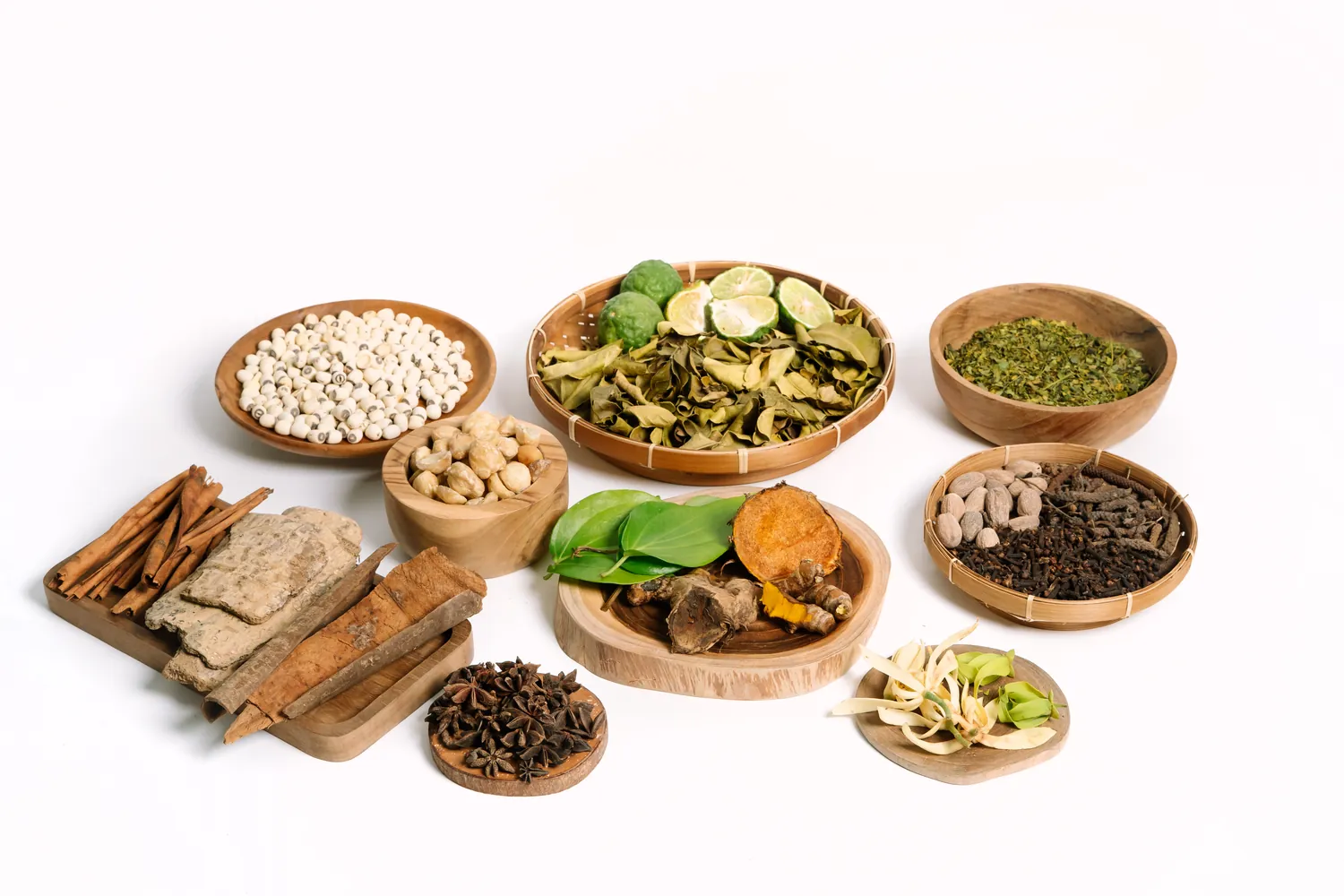
Balinese herbal oil is more than a scented oil. Learn about its ingredients, the slow infusion process and how to choose a genuine herbal body oil from Bali.
Read article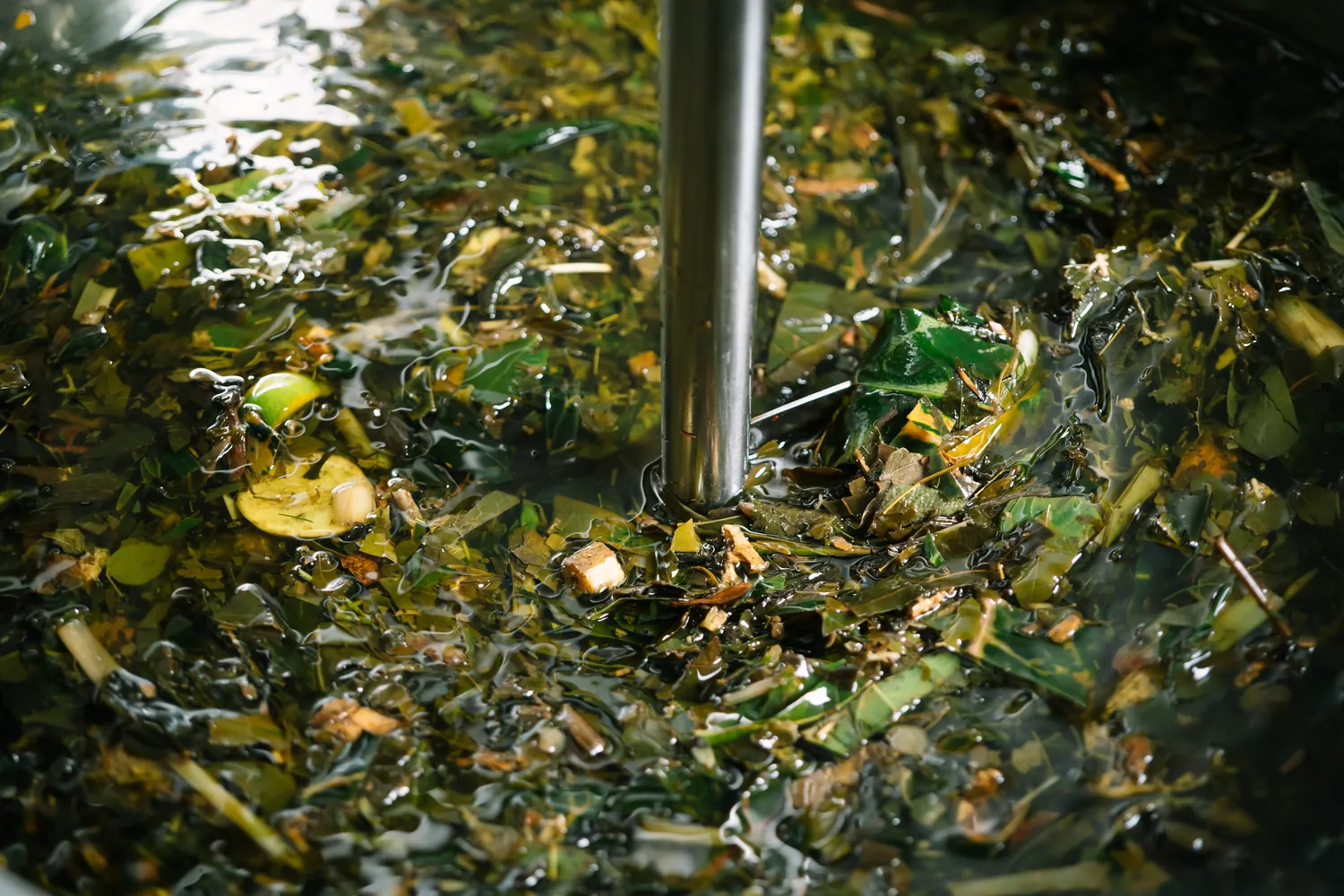
Two body oils can both be called herbal yet be made in completely different ways. Learn the difference between a herbal infusion and an essential oil blend.
Read article